
MEET PEACE PORTRAITS HONOREE DIANE LATIKER
Story: Sue Cardenas-Soto | Video: 5 by 12 Films | Photography: Kelcey McKinney | Creative Producer: Camille Travis
Peace Portraits, presented by the Illinois Peace Project, is a visual series dedicated to spotlighting the extraordinary individuals working every day to build safer, stronger, and more peaceful communities. These individuals embody the spirit of Peace Portraits, as they work tirelessly to inspire change and empower others.
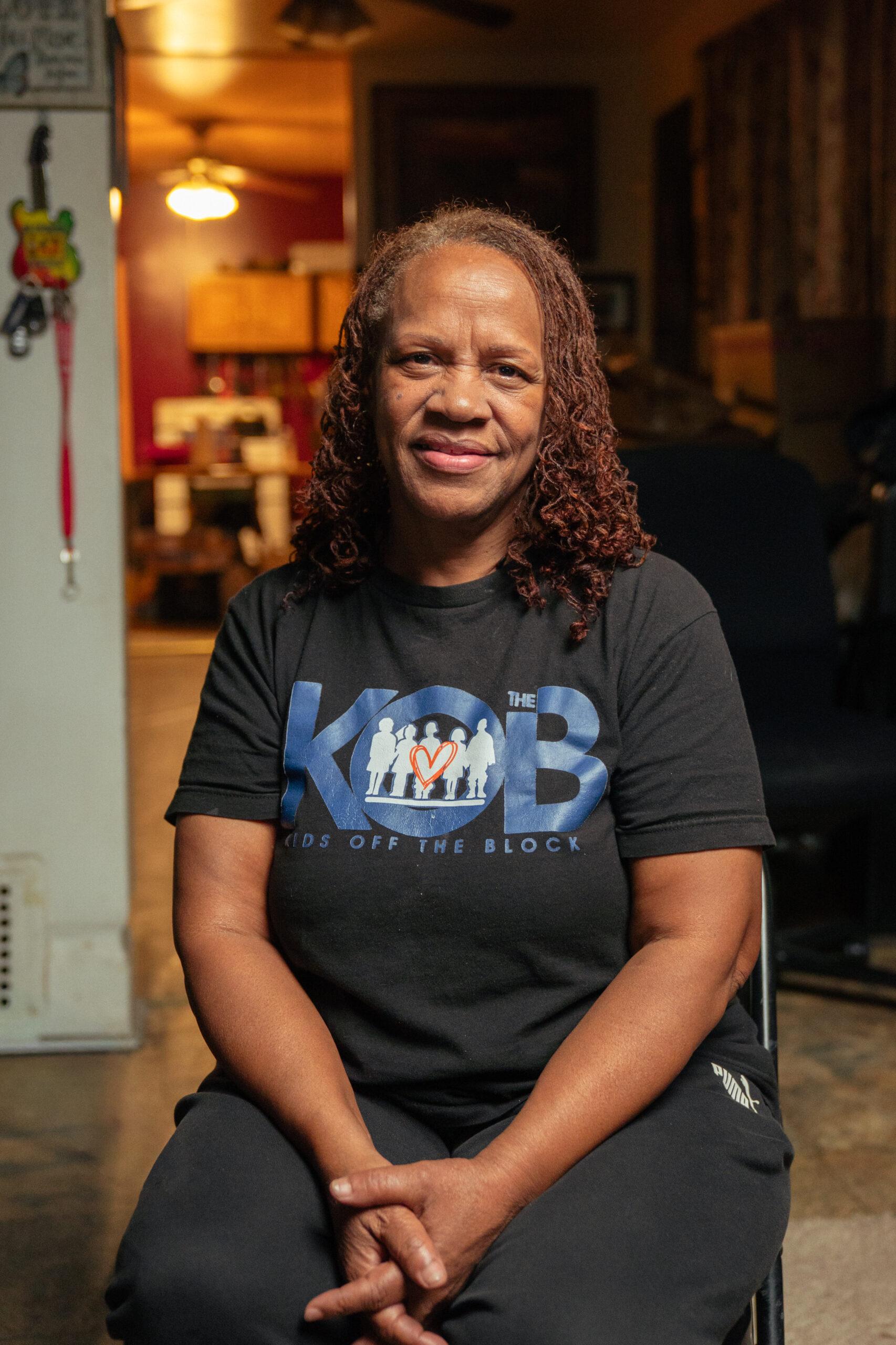
Diane Latiker, South Side native, never expected to become a leader in her community.
To her, peace is as simple as sitting on her porch, laughing with her family, and seeing her grandchildren run around the streets safely.
“I’m no hero,” she says humbly. “I’m no leader. I’m a wife, a mother, a sister, a daughter, a grandmother. I’m not a voice for everybody. I’m a senior citizen who wants to help the children in her community.”
That porch of hers is a haven for young people on the South Side near the West Pullman and West Roseland neighborhoods, and where she founded her organization, Kids Off The Block.
For over 20 years, Latiker has opened her home and her heart to the youth in her community, providing everything from emergency housing to mentorship to life-saving resources.
Latiker never intended to become a guiding light for the kids on her block. She was on the verge of retirement after working in construction and doing hair. But observing the young people around her and the dangers they faced on the streets, Latiker felt compelled to make sure they had a place to go where they could let their guards down.
One fateful summer day, Latiker saw her teenage daughter and friends running up and down the street from her window. She approached them and asked if they would participate in some sort of programming if she provided the time and space. They all said yes.
“I had no idea what I was doing” she says, “but they started coming every day.” Before long, young people from different communities started showing up at her front porch for outings, activities, or just somewhere to rest their heads.
She reminisces on those early days, admittedly calling them “hectic.” At some points over the years, there were over 70 teenagers from the neighborhood coming in and out, day and night, and Latiker was always there to help. She listened to them and adjusted her home to meet their needs, turning her dining room into a fully functional computer lab with printers for the kids to do their homework, and a closet into a recording studio for aspiring musicians.
She fed them, drove them places, even washed their clothes. “Everything we could do,” she says, “we did to help them.”
Latiker doesn’t mince words when it comes to speaking about the conditions the neighborhood kids still endure to this day – they face high levels of violence and disinvestment in their communities. She says kids as young as 12 come to her door looking for help and refuge from group-on-group disputes, poverty, housing insecurity, and academic struggles. Trauma and grief are normalized. “Death was always in the front row for these young people,” she says.
Many of the kids approach her with the frank but daunting prospect of wanting to change their lives. Latiker’s mission was, and is, to go above and beyond for these young people, providing them the support they need to survive and later thrive.
"I know that people can change. I know I have in this work, [I've changed] how I view people who I help."
“I know that people can change. I know I have in this work, [I’ve changed] how I view people who I help,” Latiker says. “They changed me. I've seen young people change their mind. How they view things in life, how they went from not trusting anyone to trusting everybody. Yes, I believe people can change.”
She believes non-prescriptive solutions to young people’s issues are the key to making Chicago a safer city. Any support she gives her community comes directly from the requests of young people, and not from her own ideas of what they could need or want.
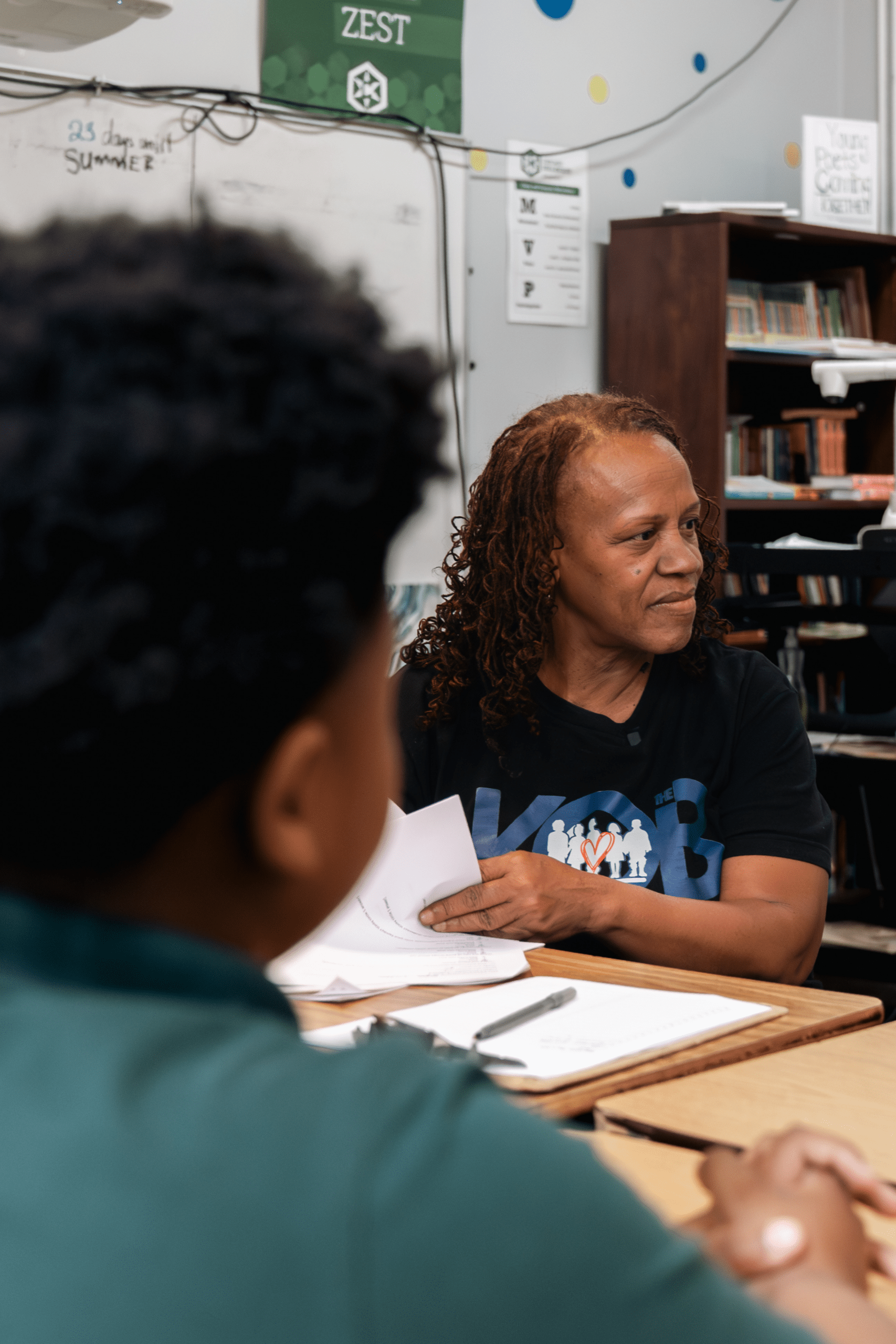
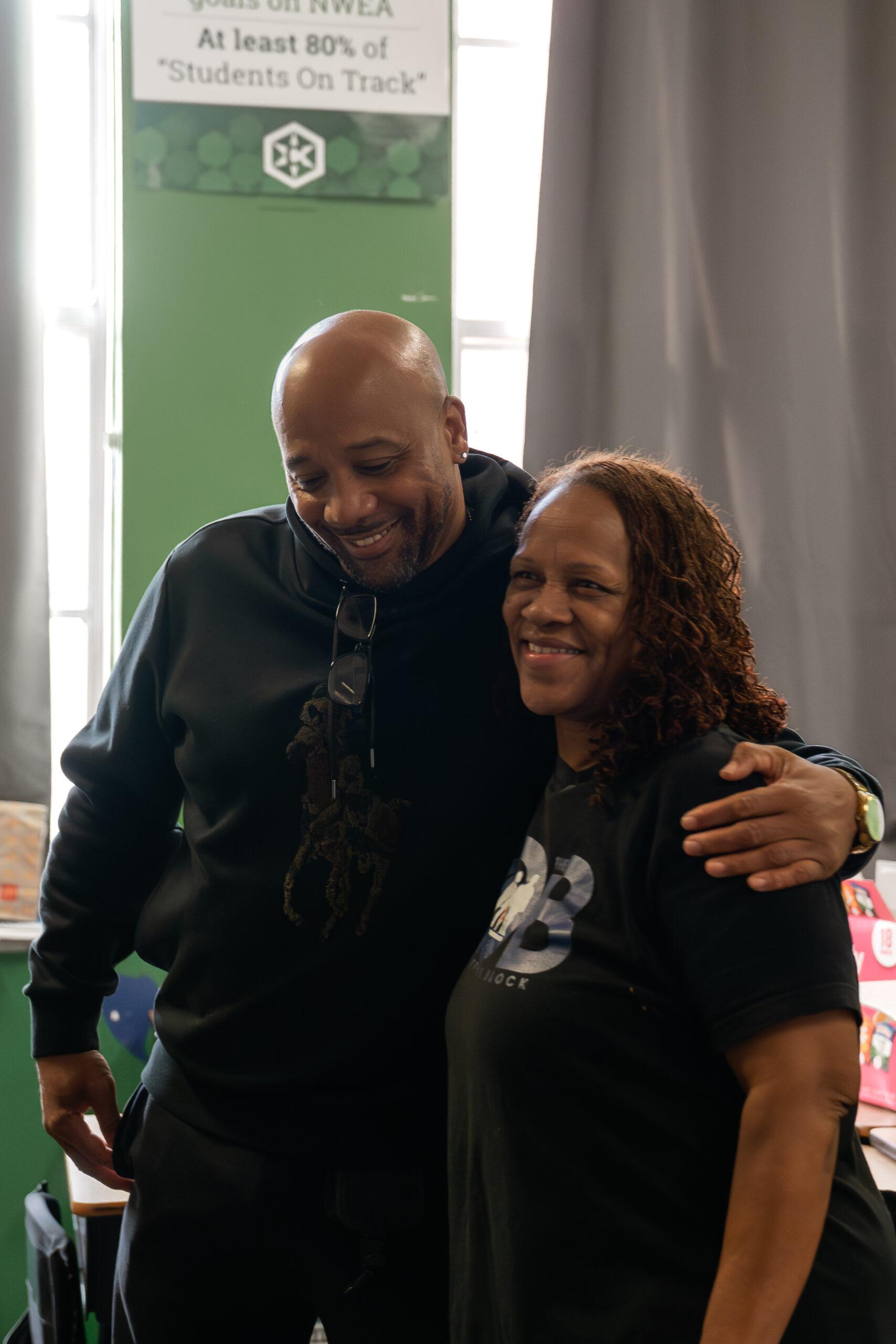
The inclusion of young people’s ideas and voices in the decision-making processes that govern things like youth programming and education is essential.
“You cannot separate young people from what you’re trying to do for them. You have to include them,” she says.
When she sits on her porch, Latiker envisions a Chicago where young people have the resources. They’re not worried about hurting anybody or “keeping their head on a swivel” when they walk down the street. They can cross boundaries between neighborhoods and feel safe.
They don’t have to go to a stranger’s house for the resources they need to survive — they already have them.
The Illinois Peace Project is an initiative supported by partner organizations with a shared vision for reducing gun violence in Illinois.
NEXT STORY: Meet Peace Portraits Honoree Benny Lee >>