
MEET PEACE PORTRAITS HONOREE BENNY LEE
Story + Creative Producer: Camille Travis | Video: 5 by 12 Films | Photography: Kelcey McKinney
Peace Portraits, presented by the Illinois Peace Project, is a visual series dedicated to spotlighting the extraordinary individuals working every day to build safer, stronger, and more peaceful communities. These individuals embody the spirit of Peace Portraits, as they work tirelessly to inspire change and empower others.
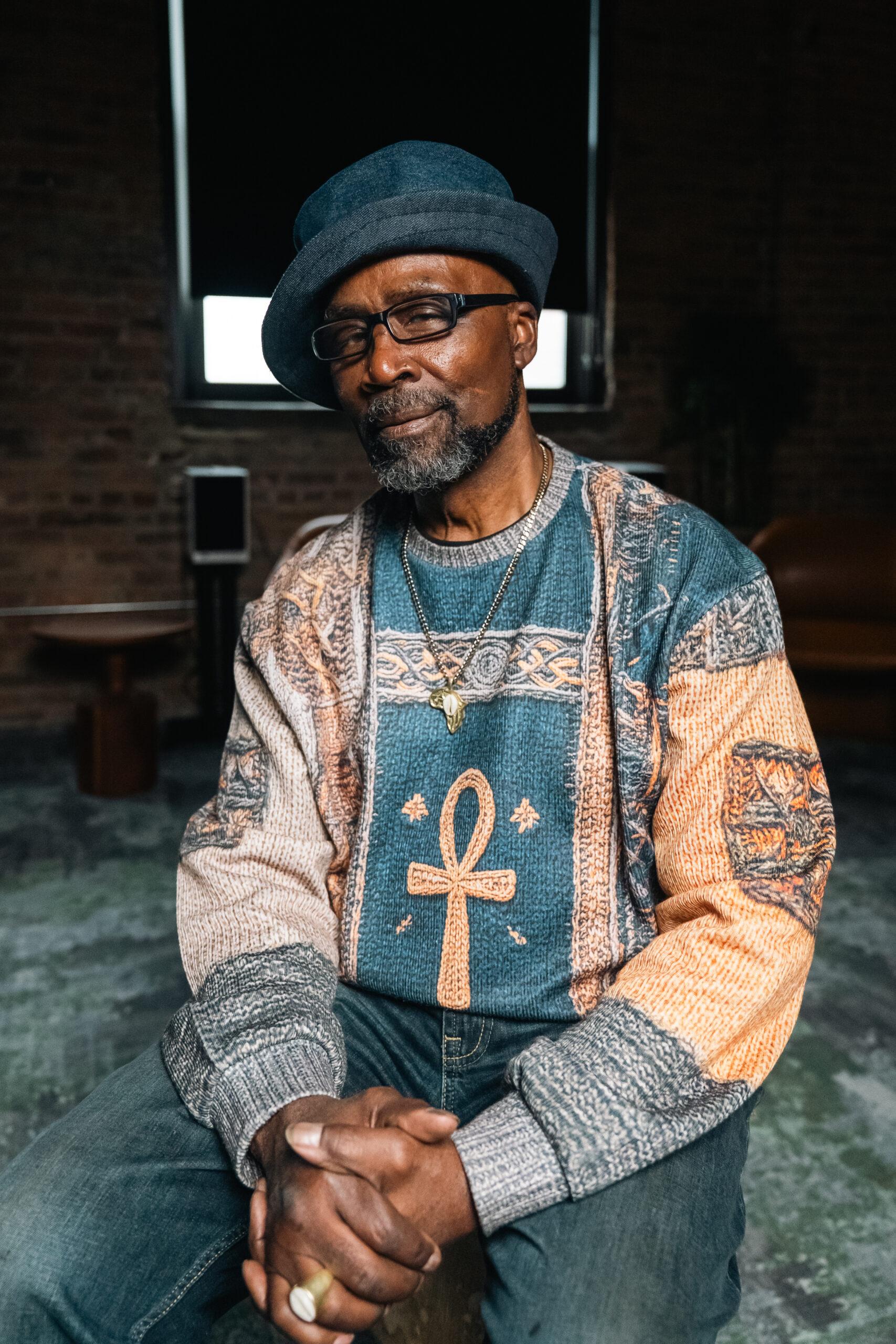
To know Benneth "Benny" Lee is to know a complex man who has lived many, varied lives.
At 13 years old, he became one of the youngest chiefs of the Vice Lords on Chicago’s West Side. After multiple stints in prison, he found himself on death row but was later exonerated after being falsely accused of instigating a riot at Pontiac Correctional Center in 1978. He’s an activist, violence interrupter, counselor, and community builder. A professor at Northeastern Illinois University. A historian.
On a personal level, he’s a devoted husband, father, grandfather, and son. By many accounts, he’s a legend in the Austin neighborhood. And the list goes on.
It’s all of these identities and chapters of life that have shaped his work as CEO and Founder of the National Alliance for the Empowerment of the Formerly Incarcerated (NAEFI), a community-based organization that supports returning citizens. Through mentorship, counseling, legal aid, and personal development, NAEFI aims to reduce recidivism by providing a pathway for men and women seeking positive alternatives to lives of violence and crime.
On any given week, as part of his mission, Lee visits prisons and communities across Illinois speaking with individuals who struggle with addiction. His work is informed by the knowledge that incarceration and substance abuse often go hand-in-hand, with research showing that approximately 65% of the prison population has an active substance abuse disorder.
He also speaks from experience as a former addict, now 42 years sober and a certified drug abuse counselor.
“I looked at how my life had become unmanageable as a result of my addiction, then I had to look at what it was about me that’s causing the unmanageability, not the drug. It’s something about me,” Lee says. “I compromised my values. I put things off. I [didn’t] follow through on things. I’m doing things that don’t make me feel good about myself, and I get high as a result."
“Once I started changing and completing things, following through on things, I started feeling good about me and my accomplishments, and I have no need to use the drug.”
Lee hopes to give his participants the necessary tools to not only overcome addiction, but also to lead dignified lives. He asks about their goals and their vision for the future. He encourages them to be proactive about the challenges that await them because, as he says, “you can’t build your shield on the battlefield.”
“When I go into jail and I’m talking to inmates, I bring things to them, imagining their experience being in jail similar to what it was like [for] me being in jail,” Lee says. “I try to bring out of them things to give them some hope. I try to get them to look at what life should look like for them after they get out of jail, and that’s their work while they’re in jail.”
Lee often reminds his participants of the hurdles they might face as returning citizens. Some will be forced to live in unsupportive environments with negative influences. Others might struggle with limited education, or in finding housing or employment. Most, if not all, will confront the social stigmas that come with being incarcerated.
"If we can cut down crime by reducing recidivism, we can reduce violence. Sometimes crime leads to retaliation. Retaliation leads to violence, and violence leads to incarceration."
But it’s in these intimate moments with his participants that Lee hopes to break the cycle of destruction and help transform lives.
“If we can cut down crime by reducing recidivism, we can reduce violence,” he says. “Sometimes crime leads to retaliation. Retaliation leads to violence, and violence leads to incarceration.”
Lee’s lived experience and decades of work as a re-entry expert also helped pave the way for Community Violence Intervention (CVI), long before it had a name or was recognized as a professional field under the umbrella of public safety. He’s floated through several of Chicago’s leading CVI organizations, leaving his mark of brilliance along the way.
Notably, he was one of the first facilitators at the Metropolitan Peace Academy, a multi-disciplinary training facility designed to professionalize and strengthen the field of CVI. To date, more than 800 CVI professionals have graduated from the Academy.
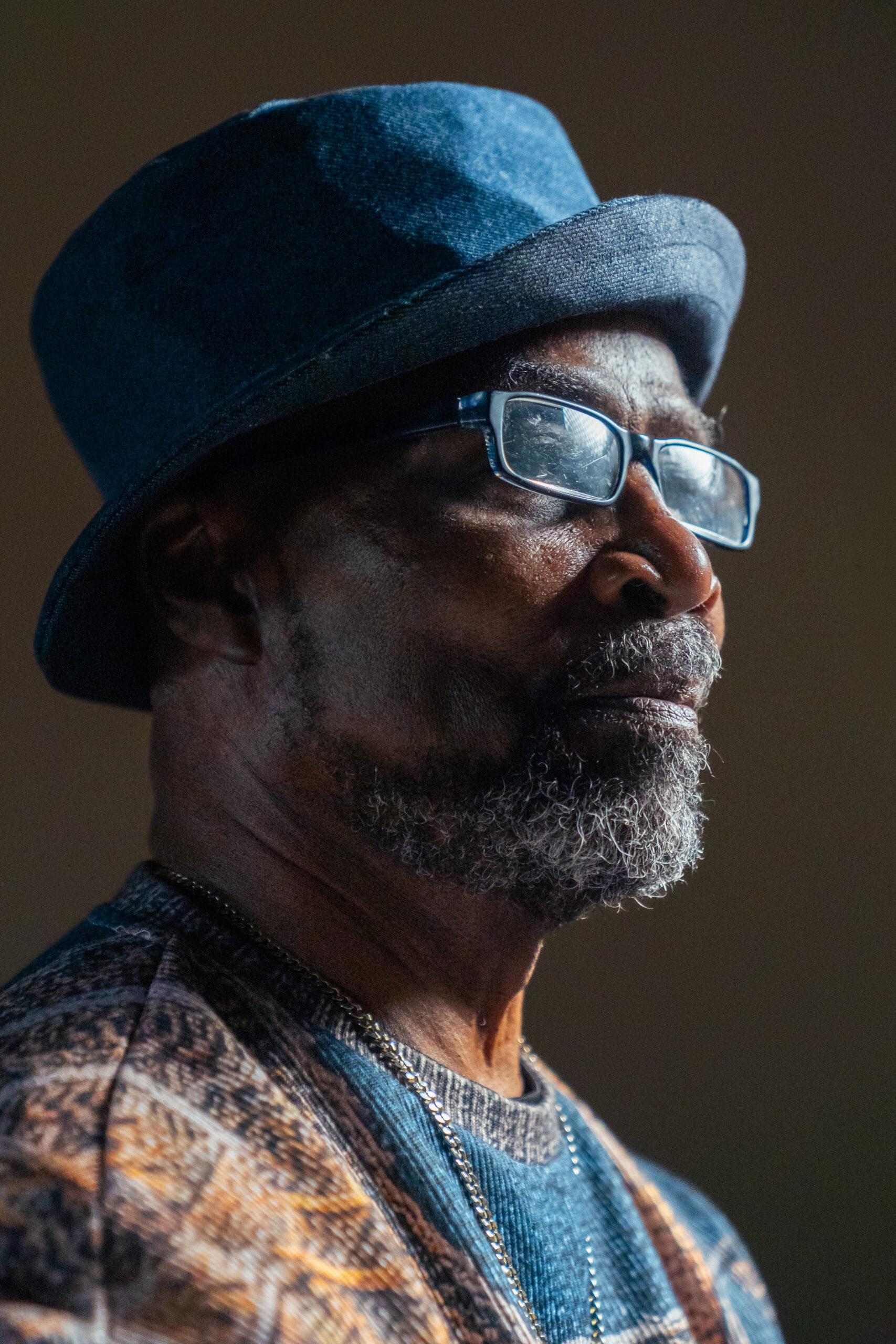
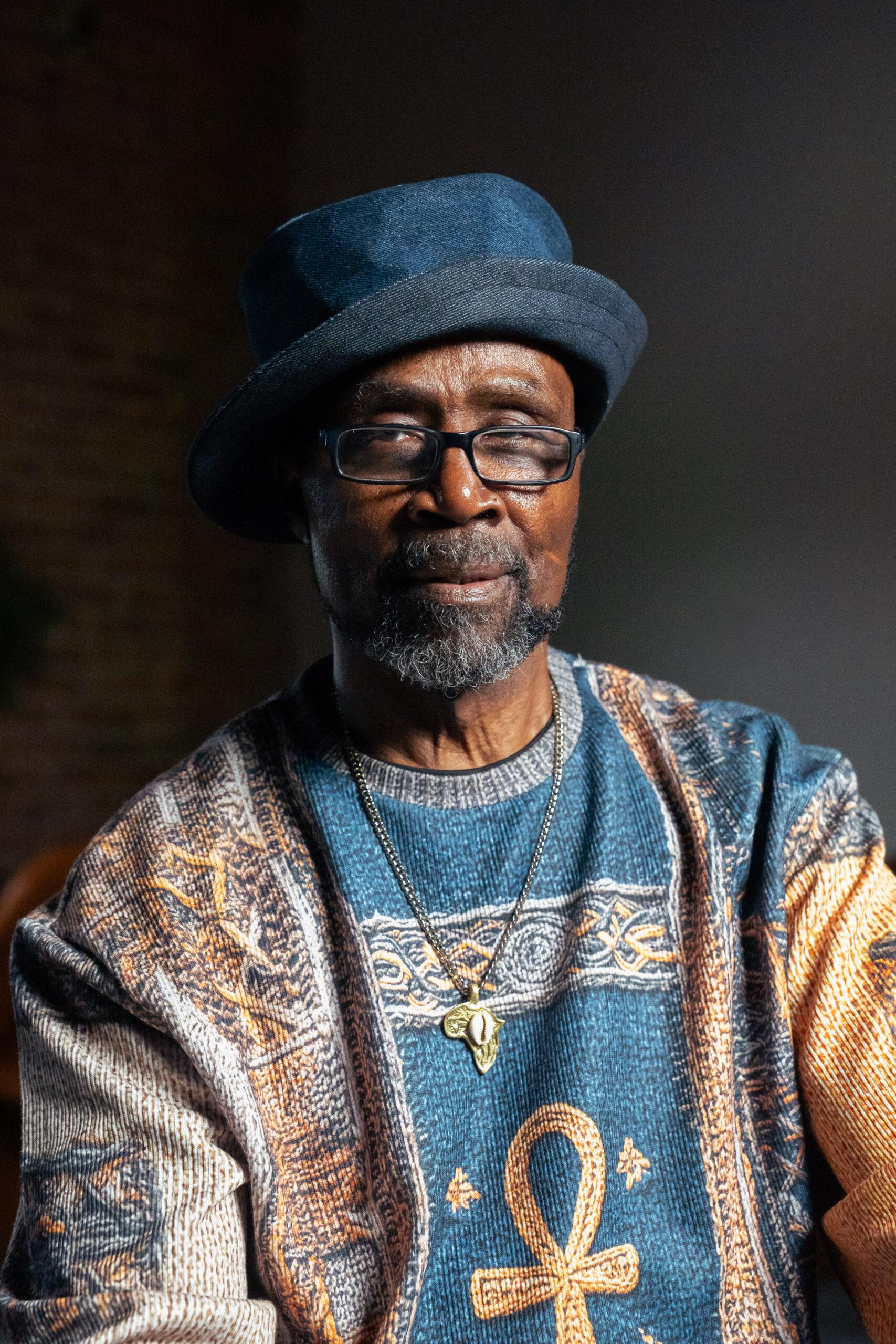
The resume is long, and it’s all in the name of maintaining peace for himself and others.
“Peace to me is getting rid of that inner personal conflict with self and seeing a brighter future for yourself. It’s having pride in my accomplishments and feeling good about myself,” Lee says. "It’s having the courage to meet a conflict head-on without resorting to violence. It’s being objective and having that desire to always reconcile.
“That’s what peace is — having a matrix, a safe place, a place to explore future possibilities.”
The Illinois Peace Project is an initiative supported by partner organizations with a shared vision for reducing gun violence in Illinois.
NEXT STORY: Meet Peace Portraits Honoree Steven Perkins >>